


Is Music Evolving Beyond Art into Digital Content in the Streaming Age?
- Mar 17
- 3 min read
Music has always been a powerful form of artistic expression, connecting people across cultures and generations. Today, the way we create, share, and consume music has changed dramatically. Streaming platforms and algorithms now dominate the music landscape, raising a critical question: Is music still an art form, or has it become just another type of digital content? This post explores how streaming services and data-driven algorithms have transformed music, the effects on artistic expression, and the ongoing tension between commercial success and artistic integrity. We will also look at examples of artists navigating this new environment.
How Streaming Platforms and Algorithms Have Changed Music
The rise of streaming platforms like Spotify, Apple Music, and YouTube has reshaped the music industry. Instead of buying albums or singles, listeners now access vast libraries of songs on demand. This shift has several important consequences:
Algorithmic Playlists: Platforms use algorithms to recommend songs based on listening habits. These playlists often prioritize tracks with catchy hooks and shorter lengths to keep listeners engaged.
Data-Driven Decisions: Artists and labels analyze streaming data to decide which songs to promote, when to release new music, and how to target audiences.
Instant Access and Global Reach: Music is now instantly available worldwide, allowing artists to reach new listeners but also increasing competition.
These changes have made music more accessible but also more tailored to consumer preferences shaped by algorithms. The question is whether this environment encourages creativity or limits it.
The Impact on Artistic Expression
Streaming platforms reward songs that perform well in short bursts, often favoring formulaic structures and trends. This can influence how artists create music:
Shorter Songs: Many tracks now run around two to three minutes, designed to maximize streams and fit playlist formats.
Repetitive Hooks: Catchy, repetitive choruses help songs stick in listeners’ minds and boost algorithmic favor.
Genre Blending: Artists experiment with blending genres to appeal to wider audiences and fit multiple playlist categories.
While some argue this stifles originality, others see it as a new form of creativity shaped by technology. Artists must balance their vision with the realities of streaming success.
Balancing Commercial Success and Artistic Integrity
The tension between making music that sells and music that expresses personal or artistic values has always existed. Streaming platforms have intensified this challenge:
Monetary Pressure: Streaming pays artists fractions of a cent per play, pushing many to prioritize quantity and virality over depth.
Creative Compromises: Some artists alter their style or content to fit popular trends or algorithmic preferences.
Independent Artists: On the positive side, streaming allows independent musicians to reach audiences without traditional gatekeepers, supporting diverse artistic voices.
Artists face tough choices: adapt to the streaming model or risk obscurity. Some find ways to succeed commercially while maintaining their artistic identity.
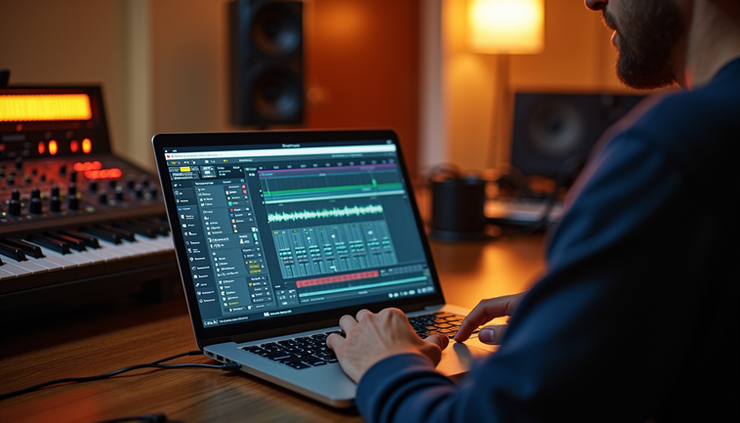
Digital music production in a home studio reflects the blend of art and technology in today’s music creation.
Examples of Artists Adapting to the New Landscape
Several artists illustrate how musicians are navigating the streaming era:
Billie Eilish: She gained fame through online platforms with a unique, genre-blending style that challenges mainstream pop formulas while achieving massive streaming success.
Lil Nas X: His viral hit “Old Town Road” leveraged social media and streaming algorithms to break genre boundaries and reach diverse audiences.
Tame Impala: Kevin Parker balances psychedelic rock artistry with accessible production that performs well on streaming playlists.
Chance the Rapper: He uses streaming and free releases to build a loyal fanbase without traditional label support, maintaining creative control.
These artists show that it is possible to thrive commercially and artistically, but it requires understanding and working with the digital music ecosystem.
The Future of Music as Art and Content
Music will continue evolving as technology advances. Streaming platforms and algorithms are tools that shape how music reaches listeners, but they do not define what music is. Artistic expression adapts to new contexts, and musicians find new ways to connect with audiences.
Listeners also play a role by supporting artists who prioritize creativity and depth. Exploring beyond algorithmic recommendations can uncover music that challenges and inspires.


